
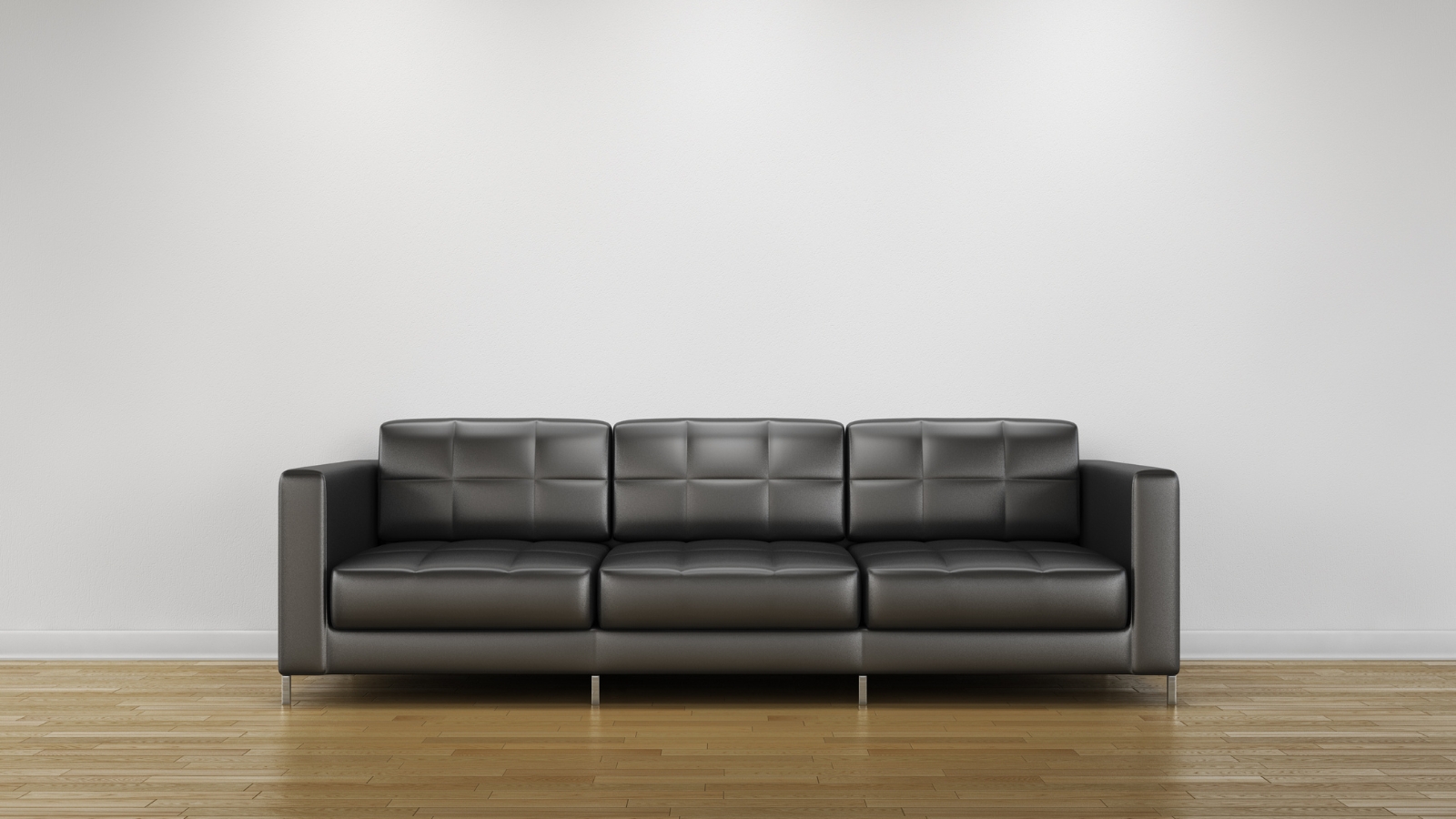
What Is Faux Leather: Your Complete Guide To Synthetic Leather
Furniture materials play a major role in comfort, durability, and overall appearance. Faux leather has become a popular choice in modern furniture for both homes and offices, offering the look of real leather at a more affordable price. It is commonly used in office chairs, sofas, couches, and other seating furniture.
Before investing in a faux leather chair or couch—especially one designed to look luxurious—it’s important to understand a few key things. You should know what faux leather actually is, how it is made, and whether it suits your needs and lifestyle.
This guide is designed to help you make a more informed decision when choosing leather-like furniture, so you can select a piece that looks good, fits your space, and performs well over time.
What Is Faux Leather?
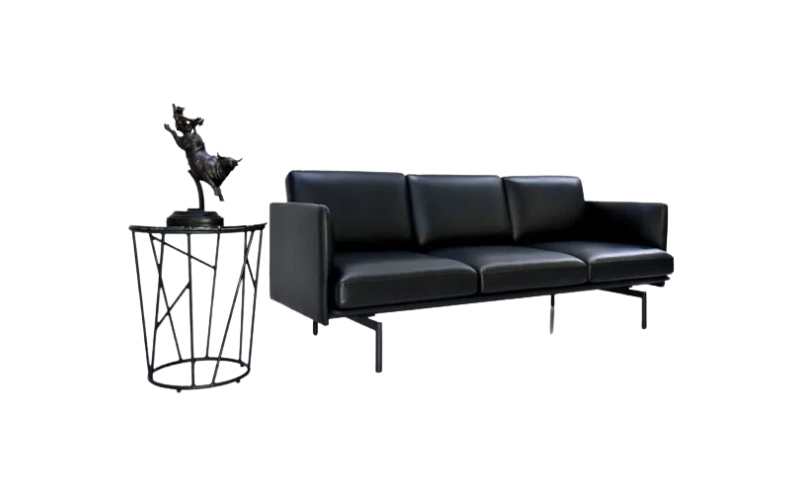
Faux leather is an artificial substance that has the appearance and texture of leather, but it is not produced using animal skin. Faux, which translates as fake in French, means faux leather is translated as literally fake leather.
People can also call it something other than that.
- Synthetic leather
- Vegan leather
- Pleather (plastic + leather)
- Artificial leather
- PU leather
- Leatherette
What does faux leather consist of? It is produced using plastic or plant oils as opposed to real leather, which is animal skin. These leather-like materials are made and manufactured to look and feel like genuine leather.
How Does It Look and Feel?
Faux leather offers the luxurious look and feel of real leather while being easy to maintain. Its smooth surface and wide range of colors—from timeless black, brown, and beige to vibrant shades like red and blue—make it a stylish and versatile choice for any space.
While faux leather looks very similar to real leather, you may notice a few differences when you touch it. Faux leather has a smooth, coated surface that is slightly different from the natural texture of genuine leather.
Unlike genuine leather, which feels warm and soft, faux leather is a bit firmer and cooler to the touch—making it durable, easy to clean, and perfect for everyday use.
How Is Faux Leather Made?
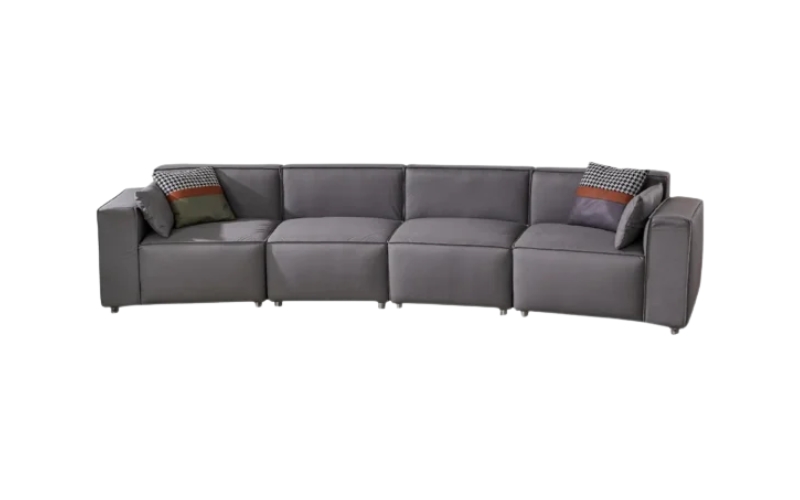
Understanding what faux leather is also means knowing how it’s made. The process is quite fascinating and involves several carefully designed steps to create its leather-like appearance and durability.
Step 1: The Base Material
To begin with, manufacturers use a base fabric. This is typically made of cotton or polyester. Consider this as the basis of the material, as the footing of a building.
Step 2: Adding the Plastic Layer
Next, a plastic finish is applied to the fabric base to give it a leather-like appearance. The most commonly used types of plastic for this purpose are:
- PVC (Polyvinyl Chloride): A durable plastic made from salt and petroleum, PVC is widely used in many products, including faux leather furniture.
- PU (Polyurethane): Lighter and more flexible than PVC, PU closely mimics the look and feel of genuine leather, making it a popular choice for higher-quality faux leather items.
The plastic is heated till it becomes molten, after which it is spread on the fabric base. This makes it soft and leather-like.
Step 3: Creating the Texture
To make faux leather look even more realistic, manufacturers often emboss patterns onto the plastic surface.
These designs replicate the natural grain of leather, and some even add subtle wrinkles or markings, giving the material an authentic, lifelike appearance.
Step 4: Colouring and Finishing
Lastly, the material is tinted and finished. Manufacturers can produce faux leather in any colour. They also give it a special coating to make it water-resistant and easier to clean.
New Plant-Based Options
Recently, some companies have started creating faux leather using plant-based materials instead of plastic. Leaves from plants like pineapples, apples, or mushrooms are processed to produce a leather-like material.
Although this approach is less common and more expensive, it is more environmentally friendly and offers a sustainable alternative to traditional faux leather.
Types of Faux Leather
Now that we understand what faux leather is, it’s helpful to know that it comes in different types. Each type has its own unique characteristics and benefits, making it suitable for various furniture and design needs.
PU Leather
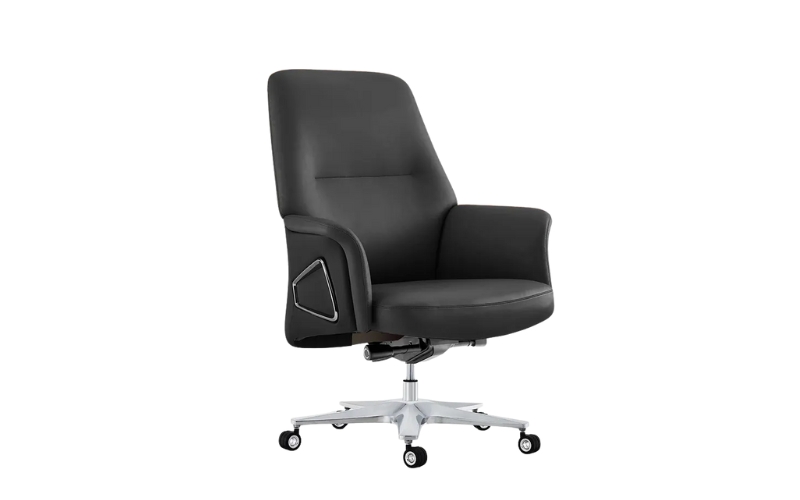
PU leather is produced using polyurethane, and therefore, it is softer and more flexible than other faux leathers. It is comfortable and long-lasting, and thus commonly used in office chairs like the Meet&Co Executive Leather Office Chair.
Also, compared to PVC, PU leather is more breathable, and you feel cooler when sitting on it, and the appearance of this material is close to that of real leather.
PVC Leather
PVC leather consists of polyvinyl chloride, which provides it with a tighter, more resilient surface than PU leather.
Although it can also be a bit stiffer, it is very waterproof, which makes it suitable for furniture that has to be exposed to spills or moisture.
PVC leather is widely utilised in car seats, restaurant booths and other places where durability and easy cleaning are the main necessities.
Eco-Friendly Faux Leather
The newest faux leather development is made of plant materials. Firms are exploring alternative leather-like materials, such as cork, kelp, and fruit waste, to produce sustainable leather products. Although this is an eco-friendly choice, it is still under development and is not as common.
Wonder how faux leather furniture works? Discover the beautiful office chairs and sectional sofas that Meet&Co offers- where quality, comfort, and style meet!
Where Is Faux Leather Used?
Now that we’ve explored what faux leather is and how it’s made, let’s take a closer look at where this versatile material is commonly used.
- Office Furniture
Faux leather is highly used in office furniture. You’ll find it on:
- Desk and executive chairs
- Seating of offices and waiting rooms
- Conference room chairs
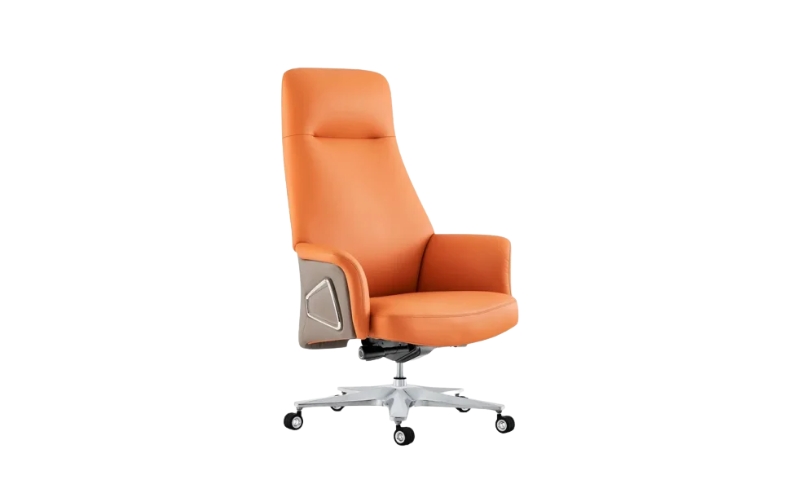
The Meet&Co Executive Leather Office Chair features premium faux leather upholstery that remains comfortable during long work sessions while exuding a sleek, professional look.
- Home Furniture
Many people choose faux leather for home furniture, too:
- Living room sofas
- Dining chairs
- Bed frames
- Ottoman and footstools
- Clothing and Accessories
Beyond furniture, faux leather appears in many fashion items:
- Jackets and coats
- Shoes and boots
- Handbags and wallets
- Belts and watch straps
- Car Interiors
Faux leather is widely used for car seats and interior panels in modern vehicles. It offers a luxurious look and feel while being more affordable than real leather.
Pros and Cons of Faux Leather
To determine whether to buy faux leather, it is helpful to learn about its advantages and disadvantages.
Pros
- Lower Price: Faux leather is less expensive than Leather. This makes it more affordable for more people. You do not have to spend a lot of money to achieve a stylish look, such as a leather chair or sofa.
- No Animals Harmed: If you’re concerned about animal welfare, faux leather is an excellent choice. It is made without harming cows or any other animals, making it both vegetarian and vegan-friendly.
- Easy Maintenance: Faux leather is highly convenient to care for. You can simply wipe it clean with a damp cloth—no special conditioners or cleaners are needed. Its surface resists spills, so stains are easier to manage compared to real leather.
- Consistent Quality: Unlike real leather, which may have natural pores or markings, faux leather offers a uniform appearance. This makes furniture look sleek and consistent throughout.
- A Tremendous Variety of Colors: While real leather is usually limited to a few shades, faux leather can be produced in virtually any color. Whether you want a bold red chair or a soft pink sofa, the possibilities are endless.
- Water Resistant: Faux leather repels moisture better than real leather, making it ideal for areas prone to spills—such as dining rooms, children’s rooms, or high-traffic furniture pieces.
Cons
- May Show Wear Over Time: Faux leather, just like any material,l can exhibit wear in areas of high contact, such as seats and armrests. The right faux leather can be chosen to keep it looking nice over a long period of time.
- Faux leather is not as naturally breathable as real leather: Faux leather does not breathe as easily as real leather, and thus can cause one to feel warmer when sitting longer.
- Various Aging Processes: Unlike real leather, which age to appearance, faux leather retains its homogeneous look with age. Although this will not naturally grow old, it still maintains a natural, fresh appearance without any special care.
- Special Smell: New faux leather can initially possess a slight smell of plastic, but it dissipates easily, and thus, faux leather is a raw material that has a clean odor, unlike real leather.
How to Care for Faux Leather?
Buying faux leather furniture would mean that it will have a longer lifespan, provided you take good care of it. Here are a few simple tips:
- Regular Cleaning: What you do is clean the furniture once a week with a barely wet cloth in order to remove the dust and dirt before they accumulate.
- Keep off Harsh Chemicals: Do not apply severe cleansers, bleach, or alcohol-based items on faux leather. These may break the plastic coating and crack it.
- Clean up spills: A spill should be cleaned immediately using a clean cloth. The damage is not that probable; the quicker you act.
- Stay out of the heat: It is important not to place your faux leather furniture in the proximity of heaters, radiators, or even sunlight. When subjected to heat, the plastic coating may crack and peel easily.
- Get a protective coating: An extra consideration is a faux leather special fluid. It makes it resistant to breaking and fading away.
- Condition sometimes: Faux leather does not require the same kind of conditioning as real leather, but it is possible to apply a dedicated faux leather conditioner- this will keep the style soft and eliminate cracking.
- Be Soft: Do not scrape or scratch faux leather using sharp objects. The coating can tear easily.
FAQs About Faux Leather
What is faux leather?
A faux leather refers to an artificial material that is supposed to resemble and feel like real leather. Most commonly, it is a piece of fabric bonded on top with plastic, most commonly PVC or PU.
How long do faux leathers last?
Faux leather furniture normally maintains 3 to 5 years under good care. Better-quality faux leather is durable, and low-priced ones can easily wear out.
Is faux leather better than real leather?
It depends on your needs. Faux leather is cheaper, cleaner and does not use animal products. Authentic leather is more durable and, with time, acquires a nice patina. There is no objective superiority of either; it is what is most important to you.
Is faux leather repairable?
Little scratches may be covered with special repair kits, but once faux leather becomes peeling, or its cracks become severe, then it is extremely hard to repair. The best strategy is preventive by taking good care.
Is faux leather hot to sit on?
Faux leather does not breathe as well as real leather or fabric, and thus, it might feel hot in the hot seasons. Nonetheless, this is hardly a concern in offices with air-conditioning, such as the majority of offices in Singapore.
Is faux leather waterproof?
Faux leather is never waterproof but is only water-resistant. It is capable of taking little spills, provided it is wiped down very fast, but it should not be soaked or placed wet over time.
Conclusion
So, what is faux leather? It is a great all-purpose substitute for real leather that is affordable to most people and purposes.
Although this might not last as long as leather, it has some real advantages, such as being cheaper, easy to maintain, and animal-friendly.
Knowing what faux leather is will help you make informed choices when purchasing furniture.
In the case of majorities in office and home environments, faux leather offers a reasonable trade-off among style, comfort, and practicality at a lower cost.
Ready to explore faux leather furniture options? Visit Meet&Co to browse their collection of high-quality office chairs, sofas, and more.
With their focus on durability, comfort, and professional design, you’ll find the perfect pieces for your workspace.