
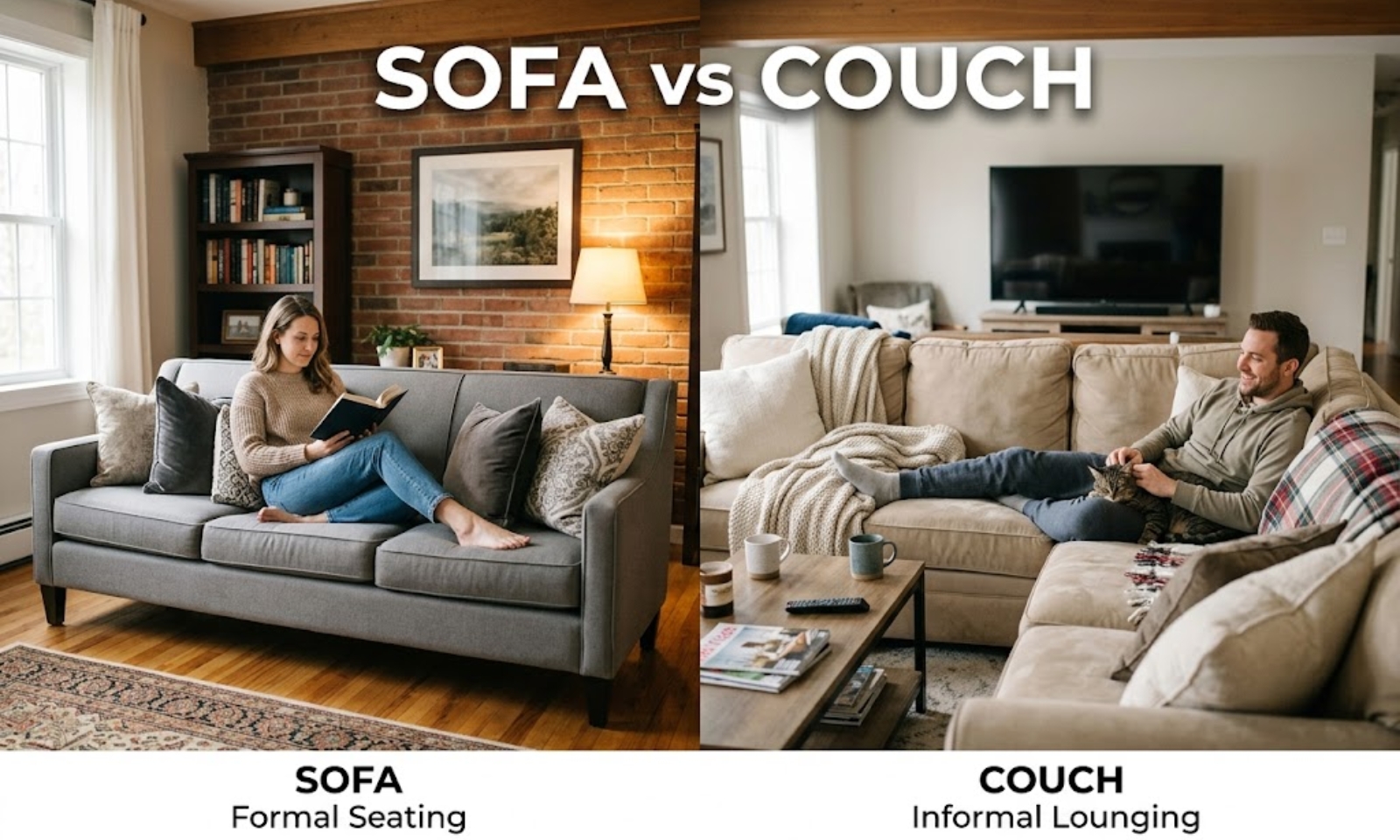
Sofa vs Couch: What’s the Real Difference?
You’ve probably used both words interchangeably your whole life. Shopping for furniture suddenly makes this matter, though. Sales associates ask which you prefer.
Interior designers insist that one term describes something completely different from the other. Online furniture stores list identical pieces under both categories.
The confusion drives you crazy when you just want comfortable seating for your living room or office.
Trusted manufacturers like Meet&Co have helped thousands of buyers cut through this confusion and find the right fit for their spaces.
Here’s what makes this genuinely confusing. The difference between sofa and couch exists, but gets blurred constantly in modern usage.
Some people swear they’re completely different furniture pieces. Others insist the terms mean the same thing. Regional preferences complicate matters further.
What New Yorkers call sofas, Californians might call couches without thinking twice.
This guide clears up the sofa vs couch debate once and for all. You’ll learn the actual historical differences. We explain when each term applies correctly.
Most importantly, you’ll discover which style actually suits your space better, regardless of what you call it.
Key Takeaways
- “Sofa” and “couch” originated from different languages and once described distinct furniture pieces, but modern usage treats them largely interchangeably.
- Sofas generally lean toward structured, formal designs, while couches embrace casual comfort and lounging.
- Modern sofas favor clean lines and minimalist aesthetics; traditional couches prioritize plush cushioning and coziness.
- For offices, commercial-grade construction and stain-resistant performance fabrics outperform residential-grade alternatives.
- Modular and sectional options offer the greatest flexibility for both home and office environments.
- Top picks include Meet&Co’s Bonny and Caterpillar sectionals for versatile, professional-grade seating solutions.
Why This Debate Exists in the First Place
Both terms entered English from different language origins centuries ago. They originally described distinct furniture pieces serving separate purposes. Over time, furniture design itself evolved.
The physical differences between what people called sofas versus couches diminished. Modern manufacturing makes pieces blending characteristics of both traditional forms.
Interior designers and furniture industry professionals still maintain technical distinctions. They use specific terminology to communicate precise design elements.
Meanwhile, average consumers use whichever word sounds natural in their regional dialect. Neither approach is wrong. The confusion just stems from different contexts using language differently.
The Real Difference Between Sofa and Couch Explained
Let’s cut through the confusion with the actual couch vs sofa explained clearly.
Modern Practical Differences
Today’s furniture market muddies these historical waters considerably. Most pieces blend formal and casual elements.
You can find what manufacturers call sofas with plush, casual designs. You’ll see pieces labeled couches featuring structured formal construction.
Some general patterns still emerge, though:
What People Usually Mean by Sofa:
- More structured, formal appearance
- Consistent arm and back heights
- Firmer cushioning and support
- Designed primarily for sitting upright
- Works in professional or formal settings
What People Usually Mean by Couch:
- Casual comfortable vibe
- Softer plush cushioning
- Designed for lounging and relaxing
- Works in family rooms and dens
- May include recliners or chaise sections
These remain generalizations rather than absolute rules. Plenty of pieces defy these categories completely.
The difference between sofa and couch matters less than understanding which characteristics suit your actual needs.
Modern Sofa vs Traditional Couch Styles
The modern sofa vs traditional couch distinction helps clarify things more than historical etymology. Contemporary design trends create clear visual and functional differences.
Modern Sofa Characteristics
Modern style sofas embrace minimalist design principles. Clean lines dominate. Unnecessary ornamentation disappears.
The focus shifts to form following function perfectly. Legs elevate sofas off the floor, creating airy, floating appearances.
Materials trend toward performance fabrics and premium leathers. Colors stick to neutrals mostly.
Grays, beiges, and whites allow sofas to blend into various decor styles. Modular construction lets you reconfigure as needs change.
Traditional Couch Elements
Traditional couches embrace comfort unabashedly. Plush cushioning invites sinking in. Rolled arms add visual softness. Skirts hide legs and frames. Patterns and textures appear more freely.
Materials include velvets, chenilles, and textured fabrics. Colors venture beyond neutrals into jewel tones and patterns. The overall vibe communicates coziness over sleekness.
Which Style Wins?
The sofa or couch, which is better question that has no universal answer. Your lifestyle and aesthetic preferences determine the right choice. Consider these factors:
Choose Modern Sofas When:
- Your home features contemporary architecture
- You prefer minimalist aesthetics
- Open concept layouts need cohesive, clean lines
- Professional appearance matters for video calls
Choose Traditional Couches When:
- Comfort outweighs aesthetics absolutely
- Classic interiors match your taste
- Families need durable, forgiving furniture
- You want the rooms to feel cozy immediately
Types of Sofas and Couches Worth Knowing
Understanding types of sofas and couches helps you communicate needs clearly when shopping. These categories cross both sofa and couch terminology.
Sectional Sofas
Sectional pieces include multiple connected sections forming L or U shapes. They maximize seating in available space.
Corner sections capture areas of rectangular sofas and waste. Chaise lounges add luxury lounging spots.
Sectionals work brilliantly in large family rooms. They define conversation areas in open concept homes. Modular sectionals let you reconfigure as spaces change.
Loveseats
Loveseats measure roughly 4 to 6 feet long, seating two people comfortably. They fit smaller spaces where full sofas overwhelm.
Pairs of loveseats work better than single large sofas in some room configurations.
Sleeper Sofas
Sleeper sofas hide pull-out beds inside. These dual-purpose pieces solve guest room dilemmas perfectly. Modern mechanisms convert smoothly, unlike terrible futons from decades past.
Settees
Settees feature more upright formal designs than typical sofas. They suit entryways, dining rooms, or formal sitting areas. The compact size and refined appearance work where casual pieces feel wrong.
Chesterfields
Chesterfield sofas feature distinctive deep button tufting and rolled arms. These classic English designs scream traditional luxury. They work beautifully in libraries, executive offices, or traditional living rooms.
Camelback Sofas
Camelback designs feature distinctive arched backs rising in the center. This traditional silhouette adds architectural interest. They bridge traditional and contemporary styles depending on upholstery choices.
Sofas and Couches in Professional Spaces
The office sofa furniture ideas conversation deserves special attention. Professional environments demand different considerations than residential spaces.
Why Offices Need Different Approaches
Office furniture faces unique challenges. More people use it daily than home furniture. Spills happen constantly from coffee and lunch.
Clients form impressions based on the reception area’s appearance. Comfort matters during long waiting periods or casual meetings.
Professional settings also need to project appropriate atmospheres. Law firms want to convey stability and trustworthiness.
Tech startups prefer energy and innovation. Medical offices need calming reassurance. Furniture choices contribute substantially to these impressions.
Best Sofa Styles for Office Environments
The best sofa styles for the office balance comfort, durability, and professional appearance. Several options consistently perform well across industries.
Reception Area Sofas:
Reception sofas need projecting professionalism immediately. Structured designs with firm cushioning work better than plush casual pieces.
Neutral colors coordinate with changing decor over the years. Stain-resistant fabrics survive coffee disasters.
Look for commercial-grade construction. Reinforced frames handle constant daily use.
High-density foam maintains shape despite hundreds of visitors monthly. Avoid trendy styles dating quickly. Classic modern designs stay current longer.
Lounge and Collaboration Spaces:
Less formal office areas allow more relaxed seating. Modular sectionals create flexible configurations. Teams rearrange pieces supporting different meeting sizes and formats.
Consider pieces encouraging both work and relaxation. Deeper seats allow comfortable laptop use.
Side tables provide surface area for devices and drinks. Power outlets integrated into furniture keep devices charged during long sessions.
Executive Offices:
Private offices allow more personality in furniture choices. Leather sofas communicate traditional executive authority.
Contemporary designs suit modern leadership styles. Comfort increases since fewer people use the furniture overall.
Executive pieces can showcase premium materials and construction. These investments reflect company success while providing genuine comfort during private meetings.
Material Considerations for Offices
Office furniture materials need to survive commercial use patterns. Several options consistently outperform others.
Performance Fabrics:
Modern performance fabrics resist stains through integrated treatments. Spills wipe clean instead of permanently marking. These fabrics maintain professional appearances despite heavy use.
Colors stay vibrant longer than traditional upholstery. Fading from sunlight happens more slowly. Overall maintenance costs decrease substantially over furniture lifecycles.
Leather:
Leather communicates professionalism and luxury instantly. It cleans easily with simple wiping. Scratches and wear create patina rather than damage. Quality leather sofas last for decades in office settings.
Full-grain leather performs best long-term. Top grain offers good value. Avoid bonded leather in commercial settings as it deteriorates quickly.
Vinyl:
Commercial-grade vinyl mimics leather’s appearance at lower costs. Modern vinyl looks remarkably realistic.
It cleans even easier than actual leather. Healthcare settings particularly appreciate vinyl’s sanitizing capabilities.
Top 4 Sofa and Couch Picks for Any Space
These selections span residential and commercial uses. Each earned placement through proven performance and smart design.
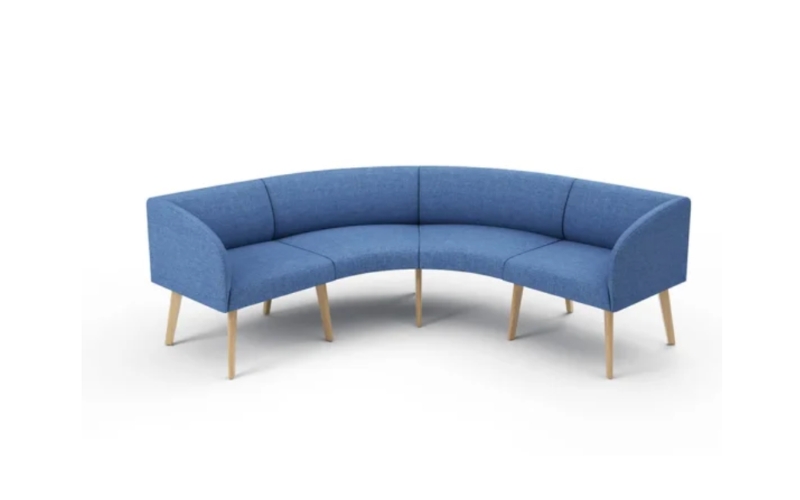
1. Meet&Co Bonny Fabric Sectional Sofa
The Bonny sectional from Meet&Co delivers exceptional versatility through modular construction.
Individual sections rearrange, creating layouts matching your exact space and needs. This flexibility serves offices particularly well as teams and functions evolve.
Commercial-grade fabric withstands heavy daily use without showing wear. The neutral color palette coordinates with virtually any decor scheme.
Firm supportive cushioning maintains comfort during extended sitting without feeling too soft for professional settings.
Best For: Offices needing flexible seating or homes wanting adaptable furniture serving multiple purposes.
2. Meet&Co Caterpillar Modular Sectional Sofa
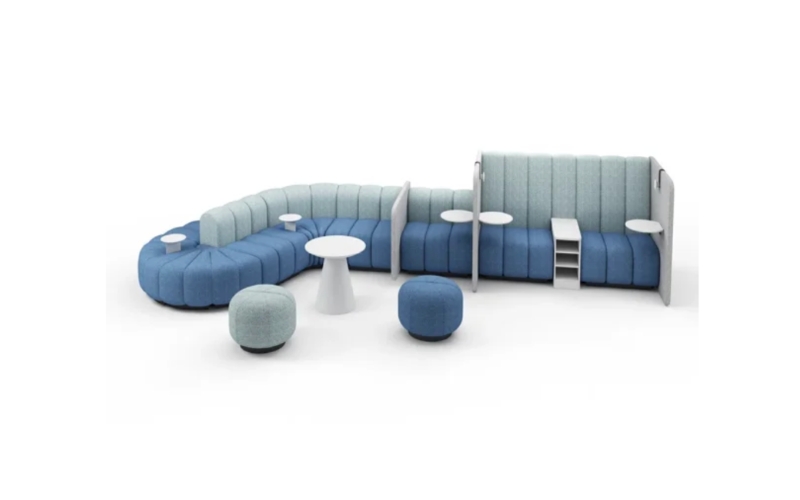
The Meet&Co Caterpillar takes modular design to another level through its unique curved sectional components.
Unlike typical rectangular sections, these pieces create flowing organic shapes. The result looks stunning while maintaining practical functionality.
This modern sofa vs traditional couch comparison gets settled quickly. The Caterpillar firmly plants itself in contemporary territory.
Its distinctive appearance makes bold statements in offices wanting to project innovation and creativity.
Best For: Offices and homes embracing contemporary design, wanting furniture making strong visual statements.
3. The Nugget Original Play Couch
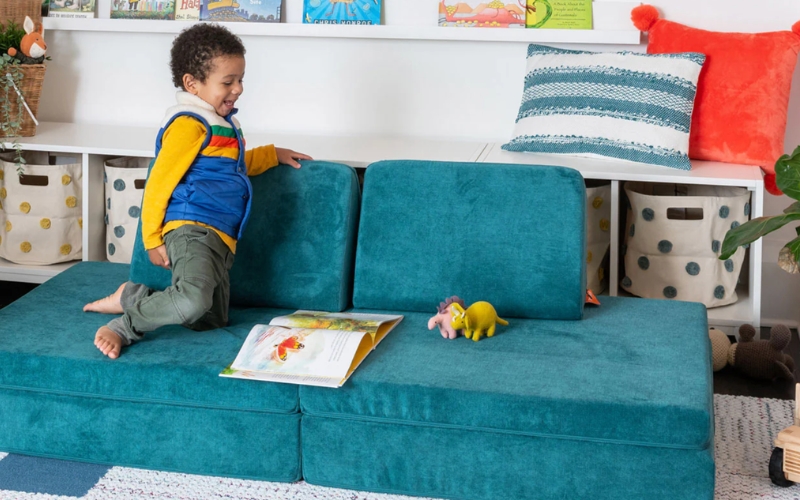
The Nugget Original Play Couch completely reimagines what couches can be. Four foam pieces create endless configurations.
Kids build forts, obstacle courses, and imaginary worlds. Adults appreciate having comfortable floor seating that appears and disappears as needed.
This definitely falls into the casual couch category. Nothing formal happens here. The Nugget embraces play and creativity completely. Covers remove for washing because life with kids gets messy.
Best For: Families with young children wanting furniture embracing play instead of fighting it.
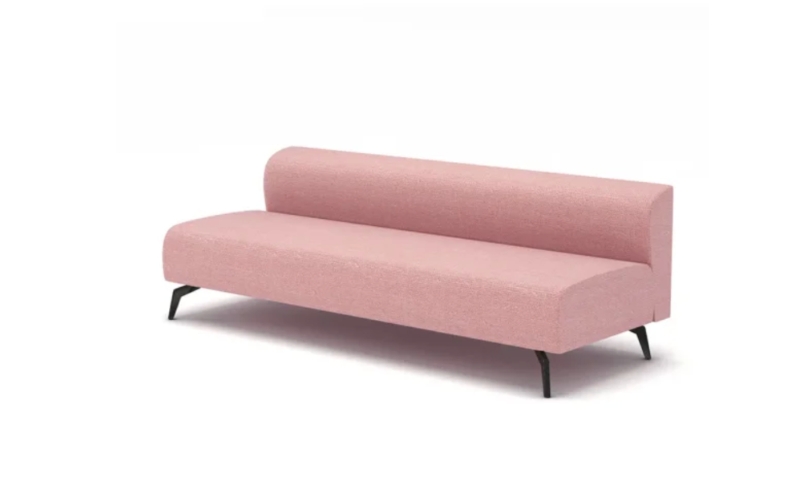
4. Article Sven Tufted Leather Couch
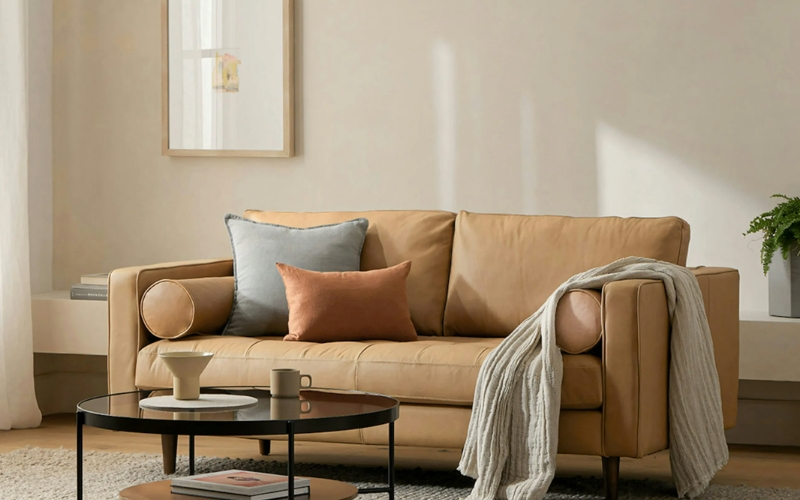
The Article Sven bridges vintage inspiration and contemporary manufacturing.
Classic tufted leather styling meets modern comfort and durability. The charme tan leather ages beautifully, developing rich patina over the years.
This represents quality construction at accessible pricing. Full-grain leather costs far more typically.
The article’s direct-to-consumer model eliminates retail markup. You get genuine leather furniture at prices traditional retailers charge for bonded alternatives.
Best For: Homes and offices embracing mid-century modern aesthetics, wanting quality leather furniture at reasonable pricing.
Make the Right Choice for Your Space
The sofa vs couch debate ultimately matters less than finding furniture that genuinely serves your needs.
Historical distinctions and regional terminology fade in importance compared to actual comfort, durability, and appearance.
Ready to find your perfect seating?
Visit today and explore their complete Meet&Co office furniture collections.
The Bonny and Caterpillar sectionals deliver exceptional versatility through modular construction. You adapt configurations as needs evolve without buying entirely new furniture.
Contact Meet&Co today to discuss your specific space and requirements. Their team helps you select options that match your actual needs rather than getting lost in sofa-versus-couch semantics.
Stop overthinking terminology. Start enjoying furniture that genuinely works for your life and space.
Frequently Asked Questions
Is a sofa more formal than a couch?
Traditionally yes. Sofas featured structured formal designs while couches embraced casual comfort.
Modern usage blurs these distinctions completely, though. Trust your eyes rather than terminology when shopping.
Can you use “sofa” and “couch” interchangeably?
Absolutely. Most people do exactly this without confusion. Regional preferences vary. Americans often say couch, while British speakers prefer sofa. Neither is wrong.
Do sofas cost more than couches?
Not necessarily. Pricing depends on construction quality, materials, and brand rather than terminology. You’ll find expensive pieces called both sofas and couches. Focus on actual value rather than names.
Which lasts longer, a sofa or a couch?
Construction quality determines longevity rather than terminology. Hardwood frames outlast particleboard regardless of names.
Commercial-grade fabrics survive residential alternatives. Check specifications rather than labels.
Are office sofas different from home sofas?
Commercial office furniture faces stricter durability requirements. Construction quality exceeds residential standards. Fabrics resist stains better.
Frames handle heavier constant use. These differences matter more than sofa versus couch terminology.
What’s better for small spaces?
Loveseats and apartment-sized sofas work best regardless of terminology. Measure your space accurately. Allow 30 inches of clearance around furniture for comfortable movement.